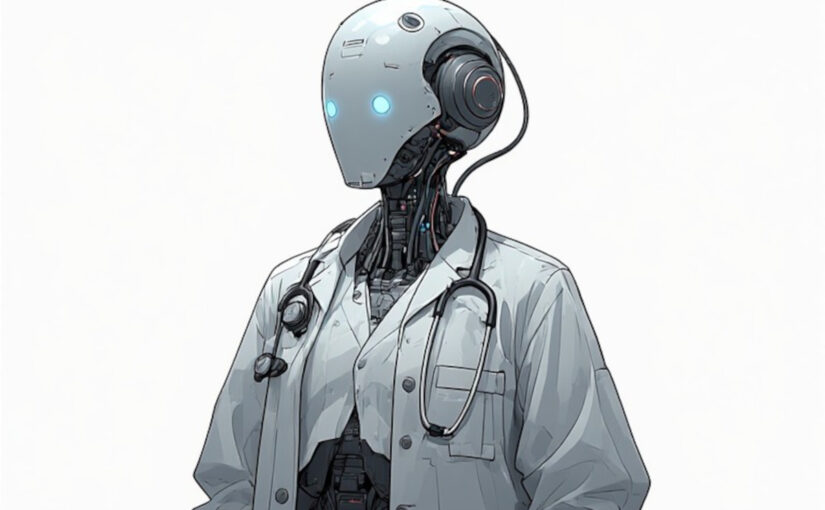
When the clock strikes midnight and a strange ache won’t quit, the modern patient faces a choice that would have seemed absurd just a few years ago: wait until the clinic opens, or open a chat window. For a growing number of people, the answer is increasingly the latter. In a world where doctor’s appointments can feel like a distant dream, especially after hours or on weekends, ChatGPT has become an unlikely ally for health concerns, available at any hour, ready to listen without a single interruption. The author of the original Techmented piece even floats a provocative idea: in a few years, it may be considered irresponsible not to consult artificial intelligence when you are ill.
The shift often begins with something small. A nagging headache and fatigue hit late at night. Instead of scrolling through endless search results or waiting for morning to call the clinic, symptoms got typed into ChatGPT. The response came instantly, outlining possible causes from dehydration to stress, and suggesting simple steps like rest and hydration. What stood out wasn’t the speed but the demeanor. The AI didn’t rush or glance at the clock. Follow-up questions about diet and sleep patterns produced tailored advice without making the user feel like a burden.
That kind of accessibility is more than a personal convenience. It hints at a broader reordering of how people seek medical guidance. ChatGPT operates 24/7, a virtual clinic that never closes its doors. For someone who often experiences symptoms at odd times, this means immediate support without the anxiety of delaying care. The numbers reflect the trend. Surveys from early 2025 show that about one in ten people in places like Australia are now using platforms like ChatGPT for medical queries, highlighting a global trend toward on-demand health information. Night-shift workers, parents nursing sick kids at 3 a.m., and people in regions where physicians are scarce all stand to benefit. Broader studies note how AI tools reduce barriers for underserved populations, such as those in non-English speaking households who might struggle with language in standard medical settings.
There’s also something disarming about the way the conversation unfolds. Unlike hurried doctor visits where time feels scarce, the AI engages deeply, answering every follow-up without brushing concerns aside. This creates a space to explore worries thoroughly, from subtle symptoms to underlying anxieties. In one session, a persistent cough that had lingered for weeks prompted gentle probing about duration, severity, and associated factors, building a comprehensive picture before suggesting possibilities like allergies or a mild infection. The author argues this patience encourages honesty: people share details they might otherwise hold back. Research from 2025 underscores this benefit, with healthcare professionals reporting widespread use of LLMs in clinical activities because of their ability to handle detailed patient narratives without fatigue.
Lab results, long the domain of cryptic abbreviations and reference ranges, have become another arena where the chatbot earns its keep. Blood work uploaded into the AI gets broken down into plain language, explaining what values like cholesterol levels or vitamin deficiencies actually mean. When the writer cross-checked these interpretations with doctor friends, they agreed every time. In one case, after a checkup revealed elevated glucose, ChatGPT outlined dietary adjustments and when to monitor further, aligning perfectly with the professional advice received later.
The performance benchmarks are striking. A 2025 review found that models like GPT-4 achieved up to 97.8% accuracy in primary diagnoses for specialties like ophthalmology, often matching human experts when given detailed inputs. Friends in the author’s orbit have stories of their own. One colleague dealing with recurring migraines found the AI’s suggestions for tracking triggers invaluable, leading to lifestyle changes that reduced her episodes. Another friend consulted it for digestive issues after meals, receiving guidance on potential intolerances that her physician later confirmed through tests. These anecdotes mirror a rising trend, with about one in six U.S. adults using AI chatbots monthly for health advice as of 2024 surveys extended into 2025.
Skin issues, with their stubbornly visual nature, are where the technology gets particularly interesting. By describing rashes or uploading images, users receive targeted feedback on possible causes like eczema or allergic reactions, complete with care tips. During a bout of unexplained hives, the AI suggested antihistamines and avoidance strategies, which resolved the issue before it worsened. One friend uploaded a photo of a suspicious spot and ChatGPT advised monitoring and professional evaluation, which turned out to be a benign tag. Emerging research from 2025 highlights LLMs’ strength in visual diagnostics, with models fine-tuned on medical datasets achieving high accuracy in specialties like dermatology.
Empathy is the harder question. Can a language model genuinely understand suffering? Probably not. But it can perform something useful in the meantime. ChatGPT excels in logic, and its version of empathy comes through simulated understanding, responding with reassuring tones and validation. It never dismisses fears, instead acknowledging them as valid before offering facts. This contrasts with human empathy’s warmth, but for quick consultations, the AI’s consistency provides a comforting reliability that some find less intimidating. Reflections from 2025 studies point to a hybrid future, where machine “empathy” supports but doesn’t replace human connection. Users report feeling heard, yet a Stanford analysis warns that over-reliance could deepen isolation if AI’s limitations in genuine rapport go unchecked.
The risks are real, and the article doesn’t paper over them. While helpful for common issues, the model can generate inaccuracies or “hallucinations,” fabricating details that sound plausible. Broader risks include delayed care if users over-trust AI over professionals. A comprehensive review pegged symptom checker accuracies as low as 19-37.9%, warning of variable triage that might misdirect urgent needs. Ethical concerns include privacy in shared data and biases in training sets that could skew advice for diverse populations. Studies from mid-2025 highlight “disturbing” drops in performance during real human interactions, dropping diagnosis rates to 34.5% from near-perfect vignette scenarios.
The result, in practice, is something closer to triage than diagnosis. Incorporating ChatGPT into daily health habits has streamlined self-care without upending reliance on doctors. It now serves as a pre-appointment primer, helping the user organize thoughts and questions for visits. This fits seamlessly into modern routines, where apps and wearables already track vitals; AI adds interpretive depth, like reminding users of medication schedules or translating lab jargon. The shift is happening on the professional side too. As 2025 reports indicate, half of clinicians now use AI tools, saving time and boosting efficiency.
What emerges is less a replacement for medicine than a new front door to it. The midnight headache still warrants a real doctor if it persists. The blood panel still needs a clinician’s signature. But the friction between symptom and understanding has shrunk dramatically, and that change is unlikely to reverse. The key lies in mindful use, harnessing AI’s strengths to foster healthier, more informed lives.